
Who We Serve: Supermarkets & Shopping Centres
Kitchen Exhaust Cleaning for Supermarkets & Shopping Centres
Food courts, in-store bakeries and centre ventilation, cleaned outside trading hours, maintained to AS 1851-2012 and documented with photo evidence.
The challenge
Food-court exhaust cleaning, where responsibility gets blurry
A centre is dozens of tenancies hanging off shared exhaust risers, central pollution-control units (PCUs) and the common make-up air the centre maintains, from in-store bakeries and delis through to large food-court kitchens. Each generates grease and airborne contaminants that accumulate in those systems, and the fire risk and fire-statement exposure land with the owner, even where the lease pushes the cost to tenants.
SAIS Hygiene partners with supermarket chains and centre managers to deliver scheduled kitchen exhaust cleaning and HVAC duct cleaning across the whole portfolio. We coordinate with centre management, work outside trading hours, and provide the documentation insurers and auditors require. We carry the coordination so responsibilities are less likely to fall through the gap between landlord and tenant.
How we help
Exhaust and HVAC cleaning that works inside a live centre
Shared risers & central PCUs
HVAC duct cleaning and ventilation
After-hours service
Multi-site reporting
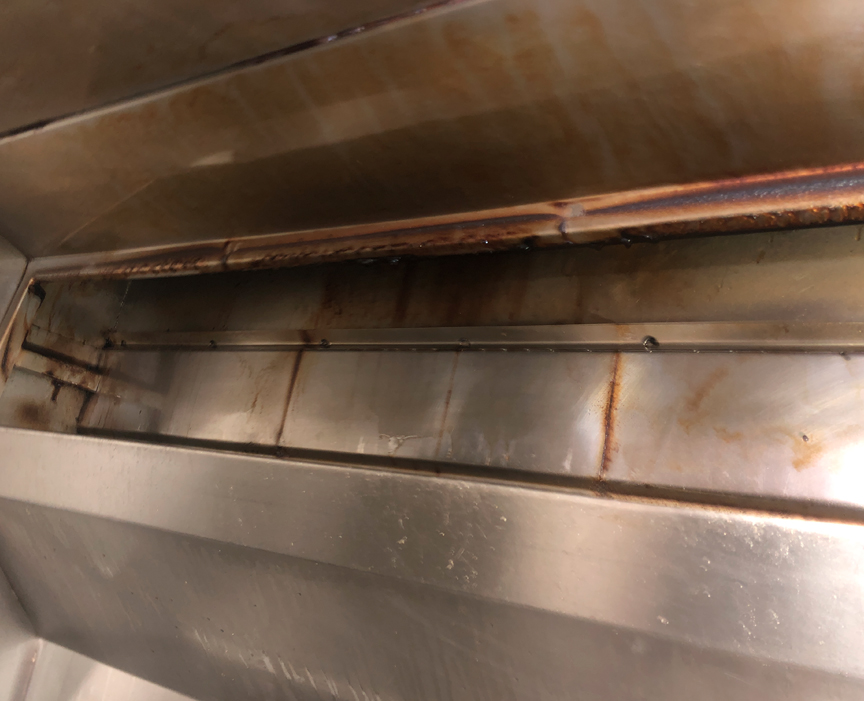
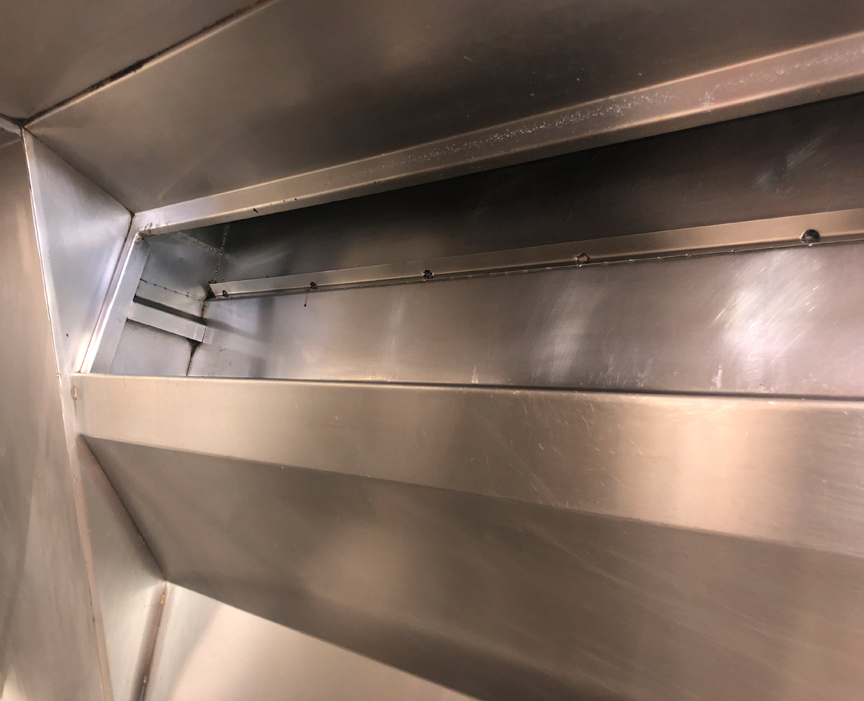
Whether it’s a single tenancy canopy or a shared riser feeding a central PCU, every kitchen exhaust cleaning visit covers the full system: canopy, filters, ductwork and exhaust fan, degreased to bare metal where accessible, and documented per tenancy so each system is maintained to AS 1851-2012. Need the air side too? Our HVAC duct cleaning covers common-area air handling across the centre.
Landlord vs tenant
So exhaust cleaning doesn’t fall through the gap between centre and tenancy
Food-court compliance is where responsibility gets blurry. Centre management owns the base building and shared ventilation; individual tenants own their canopies and cooking lines, and the monthly inspection obligation under AS 1851 can sit awkwardly in between. Since the NSW fire-safety reforms commenced (with analogous essential-safety-measures regimes in VIC under the Annual ESM Report and QLD under the Occupier’s Statement (the annual fire-safety report)), we’ve seen landlords and tenants both asking who covers what. And where the lease pushes cleaning to tenants, the annual fire-statement sign-off is still the owner’s to make, so a tenant who hasn’t done their part can become the centre’s problem. Exactly how the underlying responsibility falls depends on the lease; we’ll help you map who covers what and keep the cleaning documented to standard either way.
SAIS does the AS 1851-2012 maintenance and supplies the records the fire-safety practitioner relies on for each centre’s annual fire-safety statement (AFSS / ESM / Occupier’s Statement). SAIS does not sign it.
Read more: Who is a “competent person” for monthly inspections? · Compliance Guide
How we work both sides
We document the common-area systems for centre management and the tenancy systems for tenants separately, so when an auditor or insurer asks who’s covering what, the evidence is already split out and clear.
How the monthly inspection obligation is shared between landlord and tenant depends on the lease and, in our reading, on how the essential-safety-measures regime in your state treats it. We’ll talk it through with you and keep the cleaning side documented to AS 1851-2012 either way.
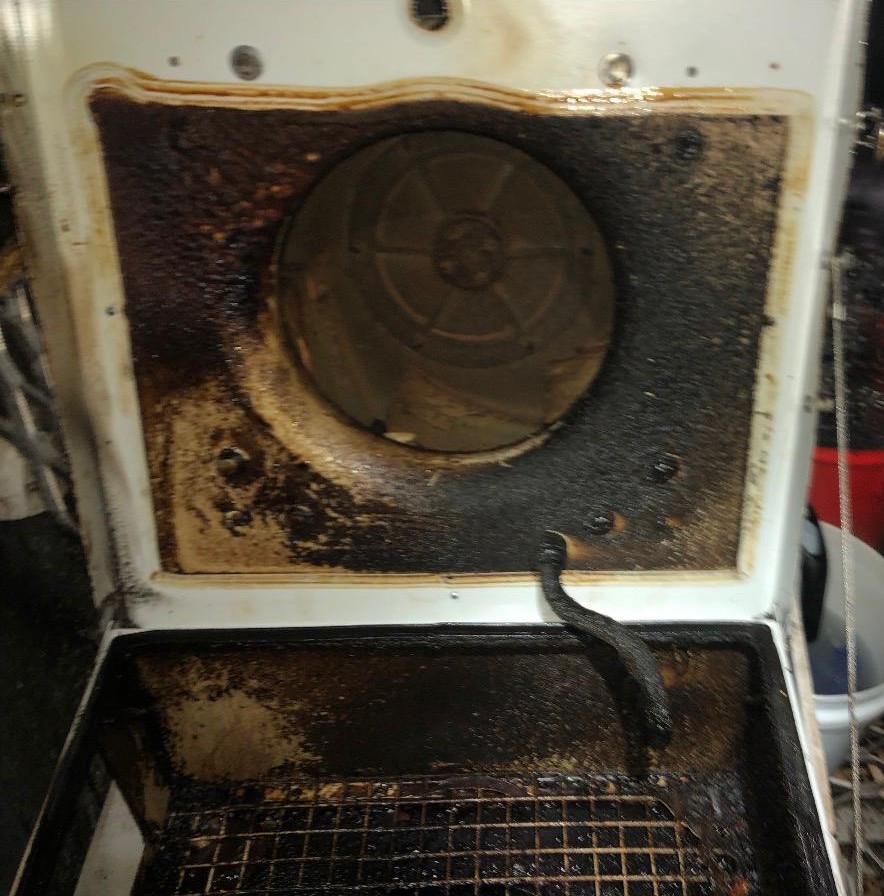
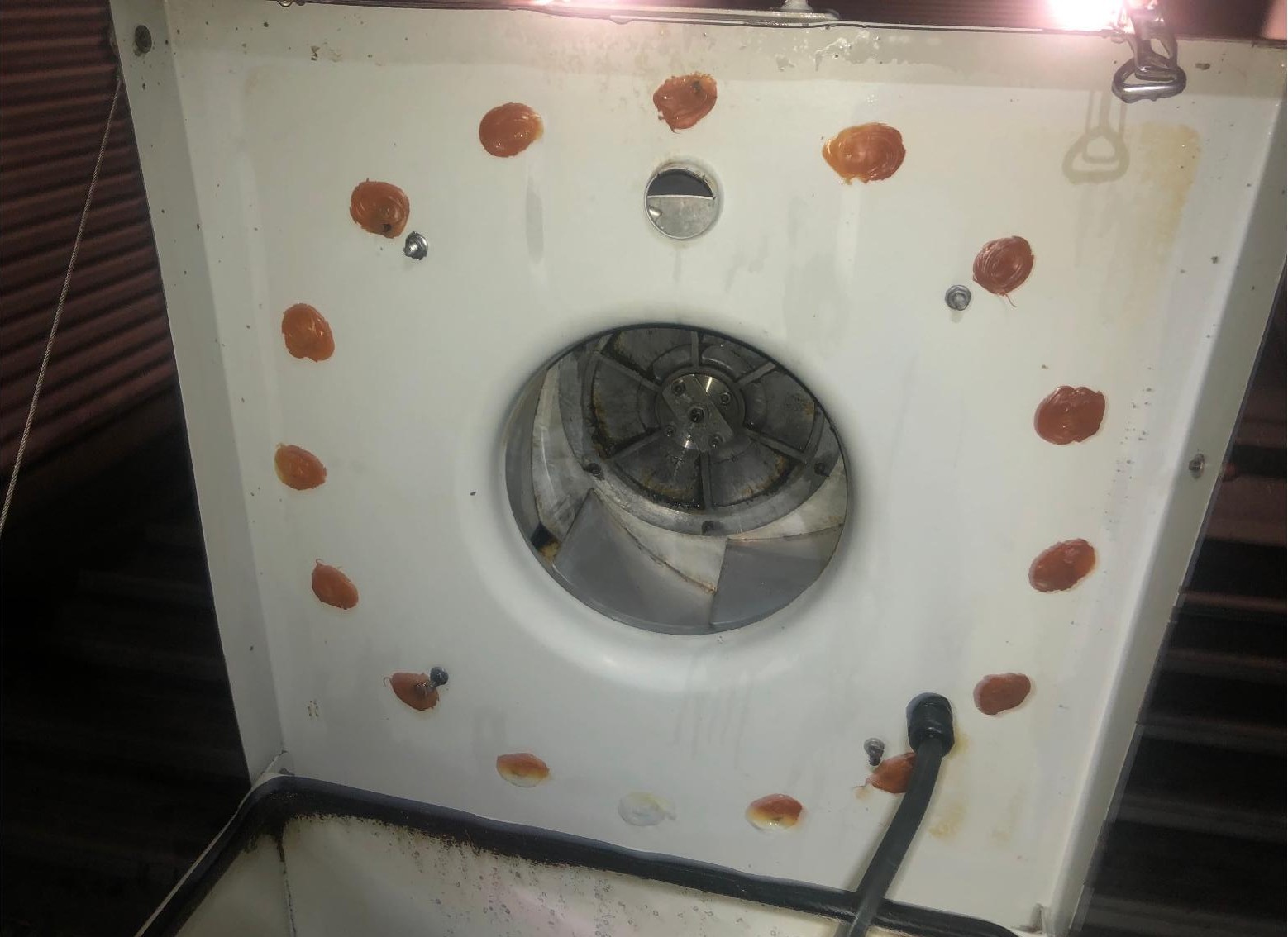
We have the local crews and scheduling to service multi-site portfolios to one consistent standard: same training, same standard, every centre and tenancy. And every clean comes with a detailed report: documented evidence you can hand an insurer, auditor or landlord, proving the ductwork and fan were cleaned, not just the canopy, so every asset’s evidence rolls up into one portfolio view.
How it works
Our three-step exhaust cleaning process inside a live centre
Assess & schedule
Clean to standard
Documented evidence
See our work
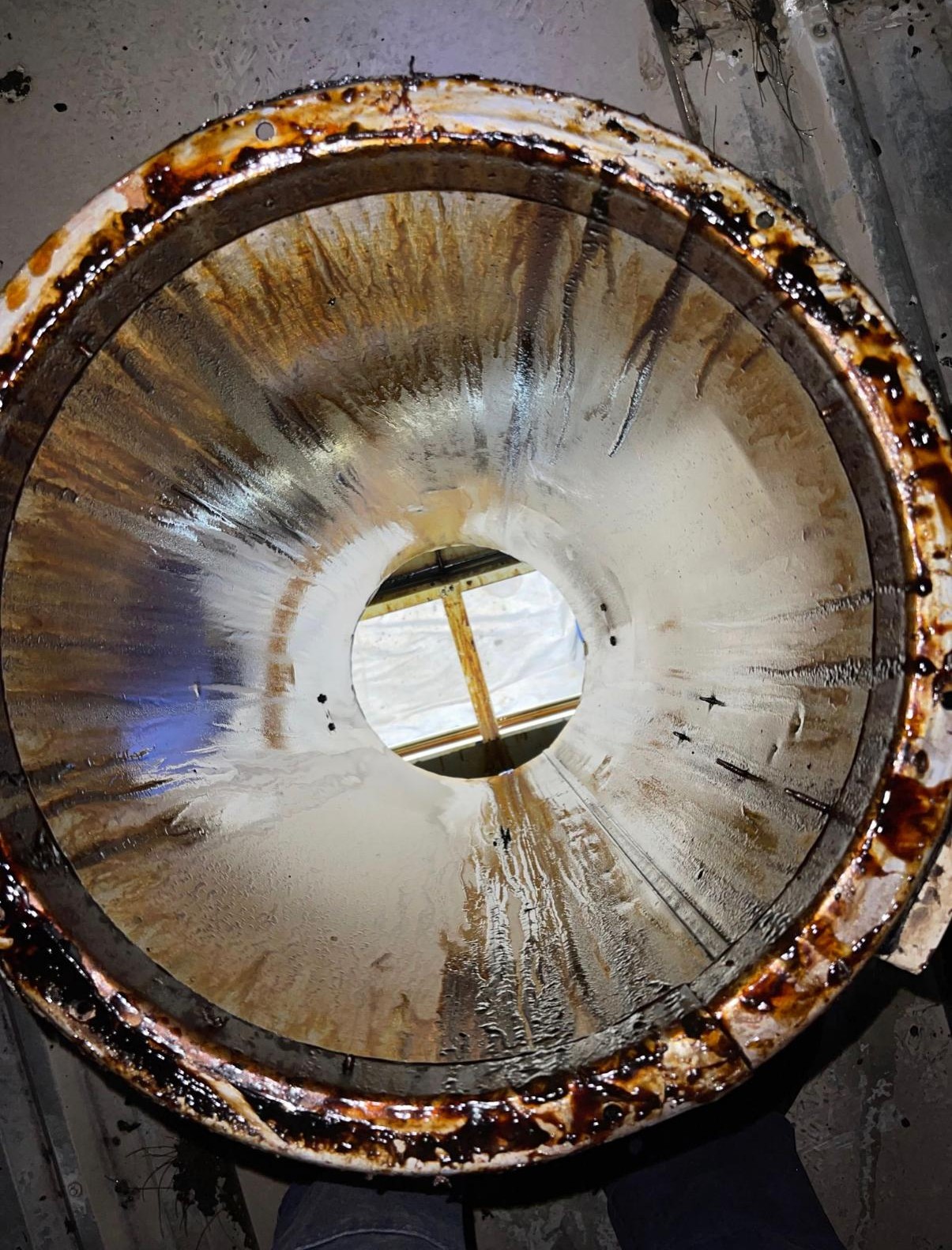
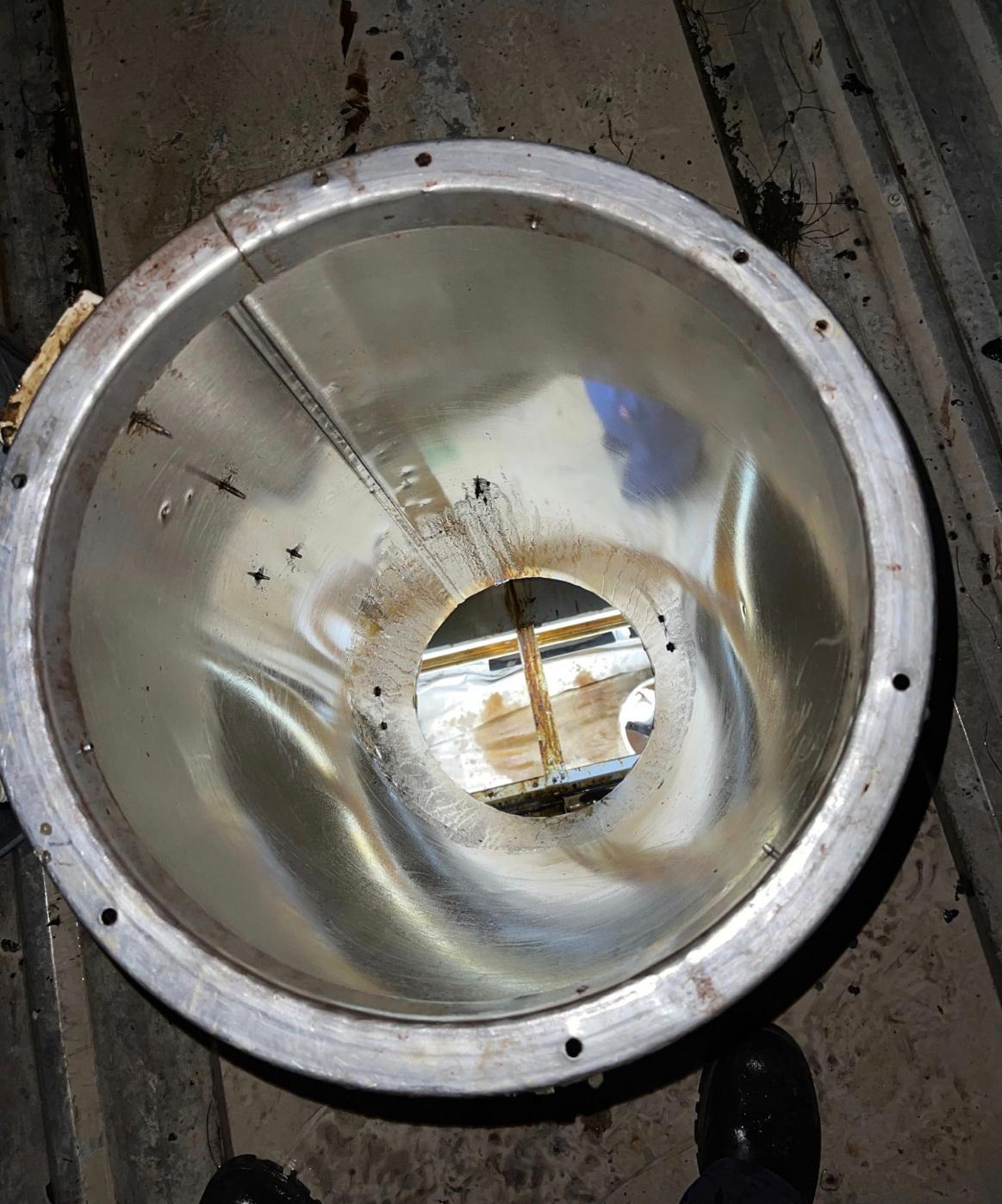
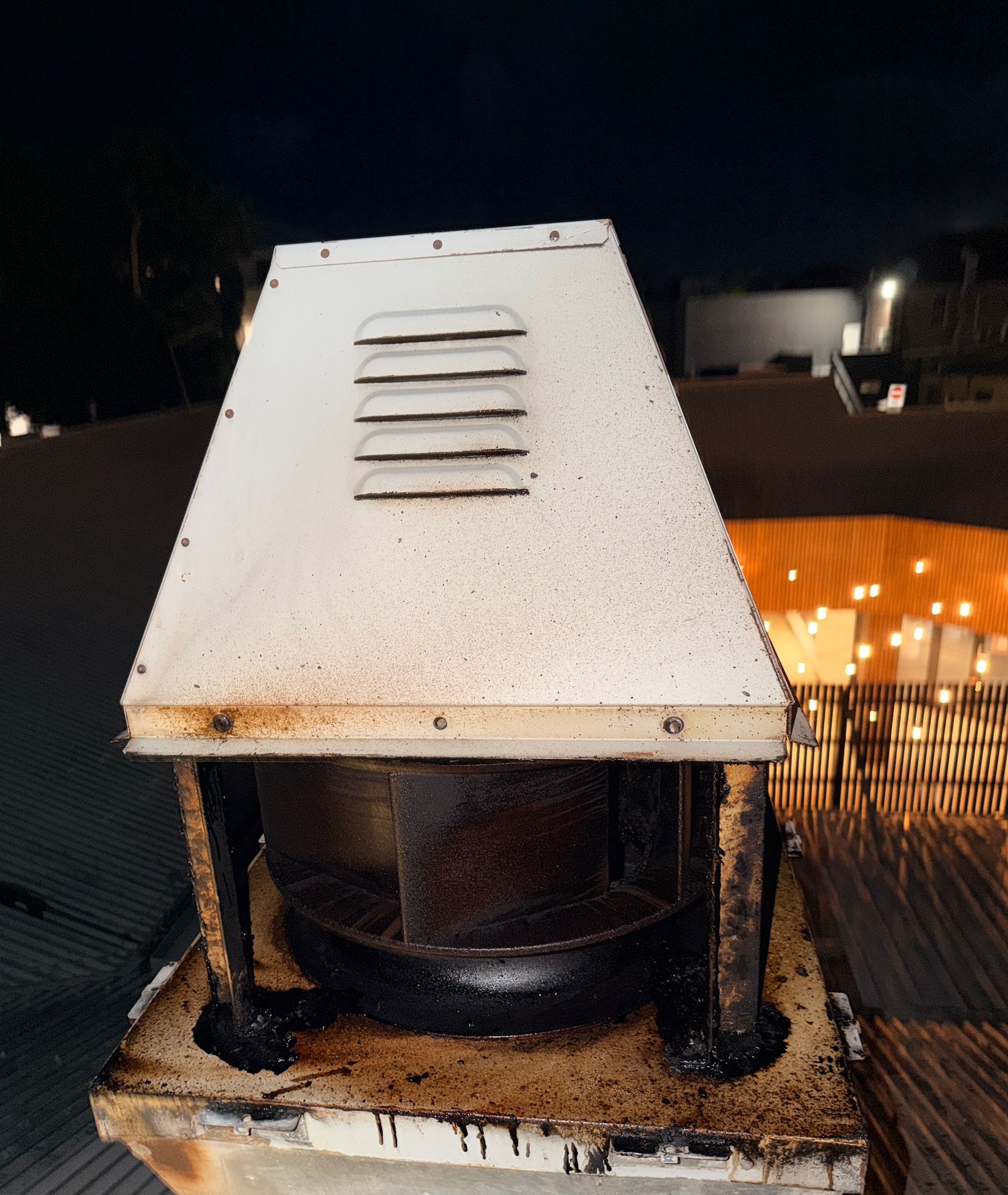
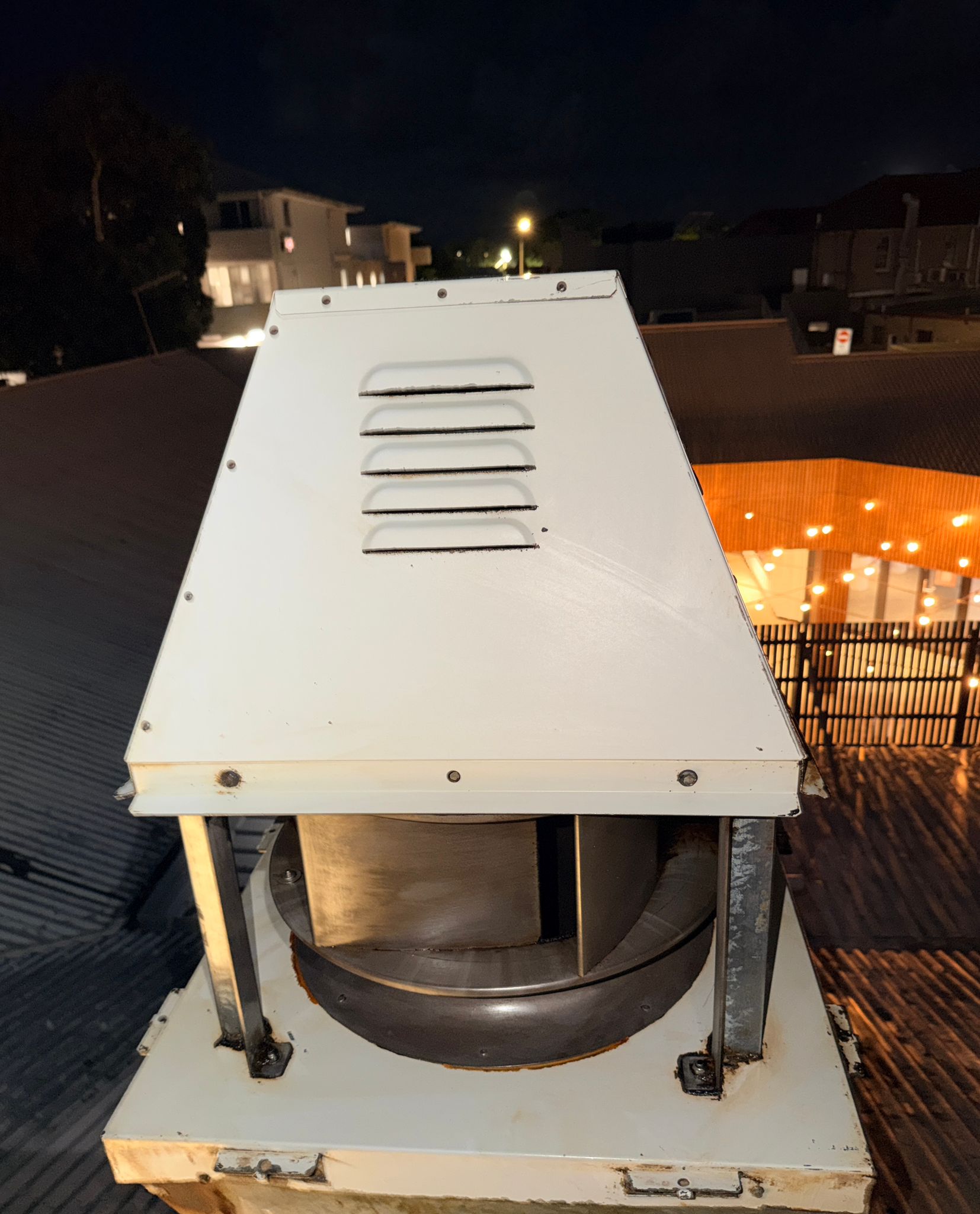
The parts of your exhaust system that actually cause problems
Managing a centre or a chain? Let’s map your sites.
Tell us how many centres or stores you operate and where. We’ll come back with a coordinated, after-hours cleaning schedule and a quote that covers both common-area and tenancy systems.
Request a quote 1800 800 235Accredited & audited
The accreditations centre managers and insurers look for
In their words
What centre management teams say about our work
SAIS are our long-term and trusted exhaust maintenance partner. Communication is positive and responsive. They have always been flexible and provide extra support when it’s needed. Highly recommended.
Jeff Aiono Frost Building Services Manager, Bligh Street
SAIS are highly recommended to service and maintain all CFM Airsystems kitchen exhaust fans and electrostatic filtration units.
Mark Kotsikas Engineer, CFM Airsystems
More sectors we serve
Kitchen exhaust cleaning across every sector
FAQ
What centre and chain teams ask about kitchen exhaust cleaning
Do you coordinate with centre management or individual tenants?
Both. We document common-area and tenancy systems separately so responsibilities are clear when an auditor or insurer asks who’s covering what.
Who is responsible for food-court exhaust cleaning?
It varies by lease. Typically tenants own their cooking line and canopy while centre management owns the shared ventilation, and the monthly inspection obligation under AS 1851 can sit in between. We help both sides evidence their part.
Can you work entirely outside trading hours?
Yes. We schedule kitchen exhaust and duct cleaning around centre trading hours and security requirements, including overnight and early-morning windows, so tenants and shoppers are not disrupted. Our technicians are inducted to the access, security and WHS requirements of major retail environments, and we coordinate multi-tenancy access with centre management when a shared system needs every tenancy offline at once.
Can we get reporting across all our sites?
Yes. Every job produces a per-asset, date-stamped report, and for supermarket chains and centre-management groups those reports roll up into one consolidated portfolio view. That gives you a single source of evidence for insurance renewals, audits and each centre’s annual fire-safety statement pack, instead of chasing separate PDFs from every site.
Will your reporting drop into our compliance register or CAFM?
Yes. Per-asset, date-stamped records structured to roll up into one portfolio view and into each centre’s AFSS / ESM / Occupier’s Statement pack. Evidence you can file, not PDFs to reconcile.
What photo evidence comes with each clean?
Every clean comes with a detailed report, generally 30 or more before-and-after photos. That’s documented evidence you can hand an insurer, auditor or landlord, proving the ductwork and fan were cleaned, not just the canopy.
What cleaning frequency do food-court kitchen exhaust systems need?
It depends on each tenancy’s cooking load. High-grease food-court kitchens running grills and fryers typically need monthly cleaning, wok-based tenancies monthly to quarterly, and lighter outlets such as bakeries and cafes quarterly to semi-annually. AS 1851-2012 sets an annual professional clean as the minimum for every system. We assess each tenancy and shared riser, then set the right frequency per asset across your portfolio.
Do supermarkets need kitchen exhaust cleaning?
Yes. In-store bakeries, delis, hot-food counters and cafes all generate grease that builds up in canopies, filters, ductwork and exhaust fans, the same way a restaurant kitchen does. Those systems feed into each store’s fire-safety maintenance records, so they need regular professional cleaning and documentation. We service supermarket chains across NSW, ACT, VIC, QLD, SA and TAS, and set frequencies to match each store’s cooking load.